
EU CBAM
EU CARBON BORDER ADJUSTMENT MECHANISM
From installation data to verified embedded emissions.
Your EU customer does not simply need a corporate GHG inventory prepared under frameworks such as the GHG Protocol Corporate Standard or ISO 14064-1. They need CBAM-specific installation data that are monitored, calculated, documented and, where actual values are used, independently verified.
CBAM Advisory works with non-EU installation operators, producers and exporters to turn production records, measurement data, energy use, relevant precursor information and supporting evidence into a structured EU CBAM technical file.

EU CBAM - CURRENT POSITION
Definitive regime
From 1 January 2026
Current sectors
Cement · Iron & Steel · Aluminium · Fertilisers · Hydrogen · Electricity
Single mass-based threshold
50 tonnes of cumulative annual net mass across goods in aluminium, cement, fertilisers and iron & steel. Electricity and hydrogen are outside this mass-based exemption.
Actual embedded emissions
Where an importer elects to use actual values, the third-country producer must provide verified emissions data on total embedded emissions.
Regulatory Watch
EU CBAM continues to evolve. The Commission has proposed extending CBAM further downstream from 2028 to selected steel- and aluminium-intensive goods. The extension is still part of the EU legislative process and should not be presented as current scope.
WHERE ARE YOU TODAY?
Start with the problem you actually have.

“Our EU customer has asked us for CBAM data.”
You produce CBAM goods but are not sure exactly which installation, production or emissions information your customer needs.
We help define the technical requirement and identify the information gaps.
“We already calculate emissions, but we do not have a CBAM Monitoring Plan.”
A corporate GHG inventory, ISO 14064 inventory or product carbon footprint does not automatically constitute a CBAM monitoring methodology.
We organise the available plant data around the applicable EU CBAM methodology.
“Our precursor information is incomplete.”
Relevant upstream emissions information may be unavailable, unverified or difficult to link to the correct producing installation.
We map the precursor chain and establish what information is available, what is missing and what treatment may be applicable.
“We are preparing for verification.”
The calculation exists, but the evidence trail, meter allocation, source records, controls or supporting documentation are not yet sufficiently organised.
We review the technical file from a verification-readiness perspective.
WHAT DO WE NEED FROM YOUR INSTALLATION?
We start with what you already have.

Typical information can include:
- Products and CN codes
- CBAM goods, product specifications and production quantities.
- Process information
- Process-flow diagrams, production processes, production routes and monitoring plan.
- Fuel and energy data
- Fuel records, electricity consumption, measurable heat and other relevant utilities.
- Measurement information
- Meter lists, locations, measurement methods and available calibration or QA records.
- Material data
- Raw materials, consumption records and relevant calculation-factor information.
- Relevant precursors
- Precursor types, supplier installations, available embedded-emissions information and verification status.
- Data controls
- Source systems, data owners, spreadsheets, internal checks and record-retention arrangements.
Already have only part of this? We use what is available and identify what still needs to be established.
WHAT CBAM ADVISORY ACTUALLY BUILDS
Not just a report. A structured CBAM technical file.

01
Installation & Monitoring File
- CBAM scope and CN-code assessment
- Installation and production-process mapping
- Production-route identification
- System-boundary definition
- Monitoring Plan
- Source Stream & Emission Source Register
- Meter / Measurement System Register
- Data-flow and control documentation
02
Emissions Calculation File
- Activity Data Register
- Calculation Factor Register
- Fuel, material and electricity datasets
- Relevant Precursor Register
- Supplier / precursor-installation mapping
- Direct and applicable indirect emissions calculations
- Production-process emissions attribution
- Specific Embedded Emissions calculation
- SEFA / free-allocation information where applicable
03
Reporting & Verification File
- Operator’s Emissions Report
- Operator’s Summary Emissions Report
- Supporting Evidence Index
- Data-reconciliation schedules
- Verification-readiness review
- Open-issue / corrective-action log
- Accredited verifier coordination
- CBAM Registry / O3CI handover support
The definitive methodology requires an operator’s emissions report and summary where embedded emissions are calculated using actual emissions; a declarant-specific addendum also applies for electricity in defined circumstances.
HOW WE WORK WITH AN INSTALLATION
From the first data request to verification readiness.

-
01
Scope
Confirm the CBAM goods, CN codes, installation, production routes and available data.
-
02
Map
Map production processes, system boundaries, source streams, emission sources, measurement systems and relevant precursors.
-
03
Monitor
Prepare or review the Monitoring Plan and establish the required monitoring approach.
-
04
Calculate
Determine attributed emissions and Specific Embedded Emissions in accordance with the applicable methodology.
-
05
Evidence
Connect material calculation inputs to supporting records, reconciliations and control procedures.
-
06
Prepare for Verification
Review the technical file, identify gaps, resolve open issues and prepare for independent verification.
-
07
Handover
Prepare the appropriate operator information for customer/declarant use and Registry/O3CI sharing where applicable.
The methodology depends on what you produce.
EU CBAM covers six sectors, but the production routes, system boundaries, relevant precursors, functional units and emissions treatment differ between them. We apply the applicable methodology to the actual installation and production route rather than using one generic calculation approach.
IRON & STEEL
Production route matters.
Blast furnace, DRI and EAF routes can involve different reducing agents, metallic inputs, relevant precursors, system boundaries and emissions-allocation approaches.
For downstream steel production, additional processing steps may also need to be considered within the applicable production process.

ALUMINIUM
Primary and secondary production require different treatment.
Primary aluminium can involve emissions from electrolysis, fuels, process materials and PFC emissions from anode effects.
Secondary aluminium requires careful consideration of scrap inputs, energy use and relevant aluminium precursors.

CEMENT
Clinker is central to the calculation.
CBAM monitoring can include fuel-combustion emissions, carbonate-related process emissions and clinker production.
For relevant cement products, the clinker content of the final product is also an important part of the emissions determination.

FERTILISERS
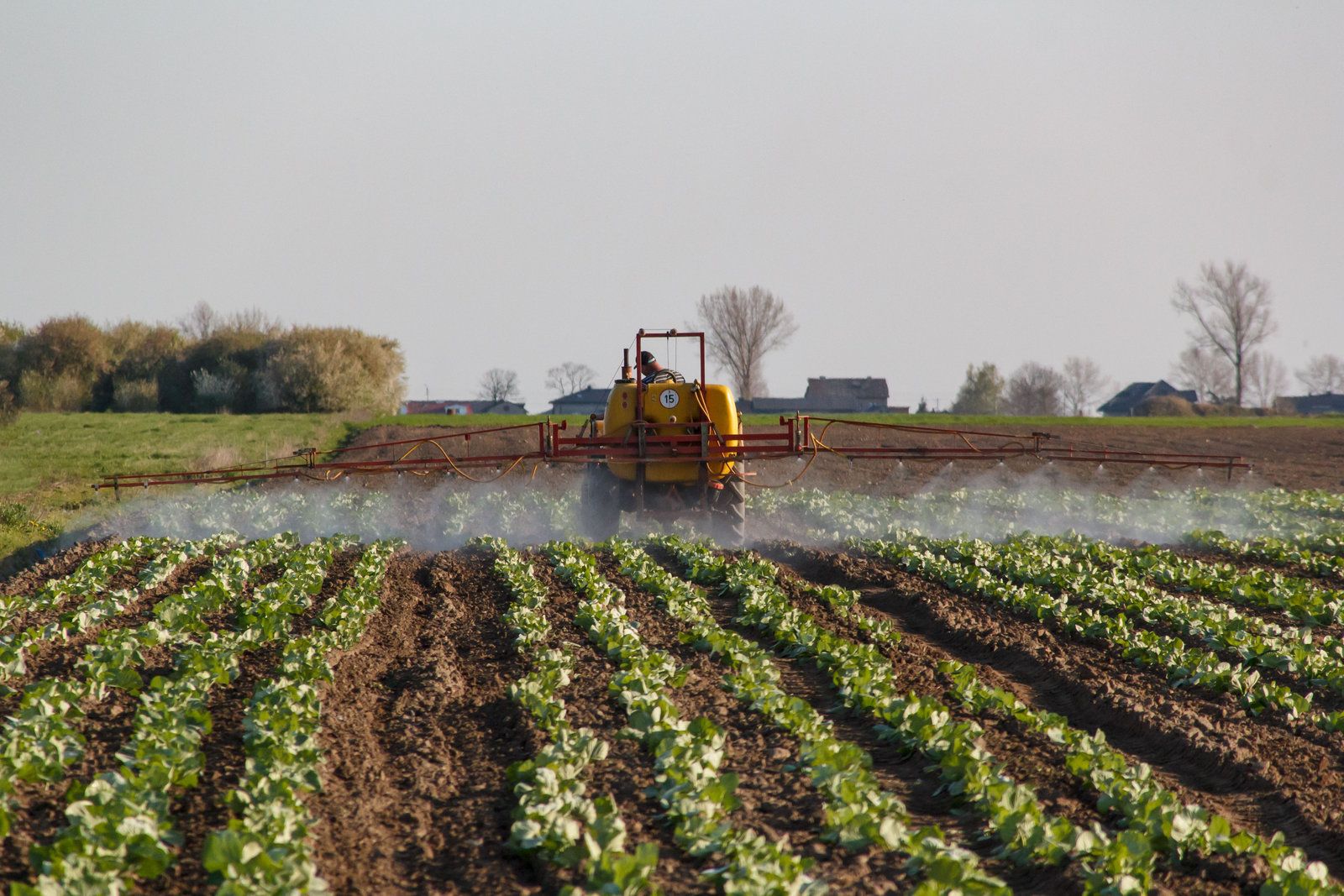
Precursor relationships can drive the calculation.
Fertiliser production can involve interconnected processes such as ammonia, nitric acid, urea and mixed fertilisers.
Feedstock, fuels, nitrogen-related product information and embedded emissions of relevant precursors can therefore be particularly important.
HYDROGEN
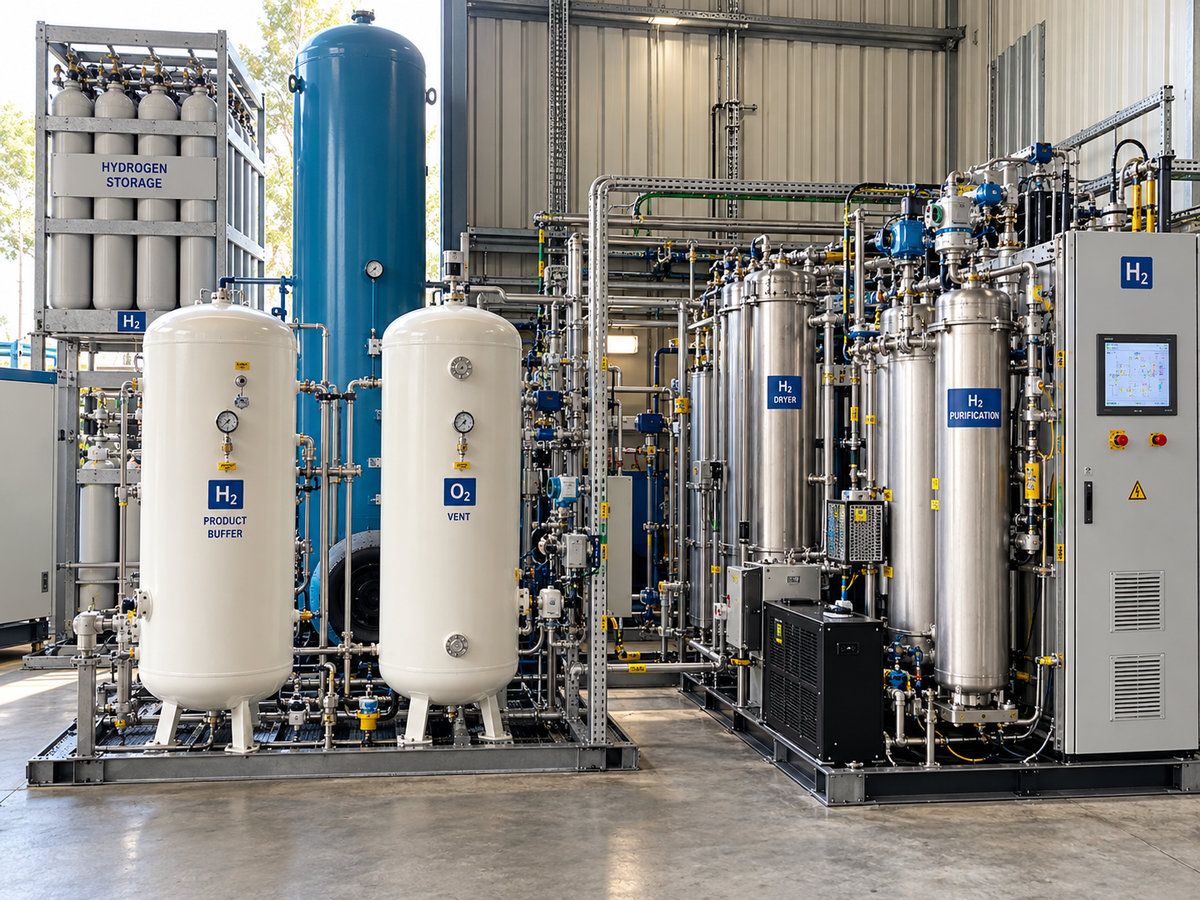
The production technology defines the boundary.
The monitoring approach depends on whether hydrogen is produced through steam reforming, partial oxidation or another production route.
Fuel and feedstock inputs, production emissions and associated processing therefore need to be mapped to the correct system boundary.
ELECTRICITY
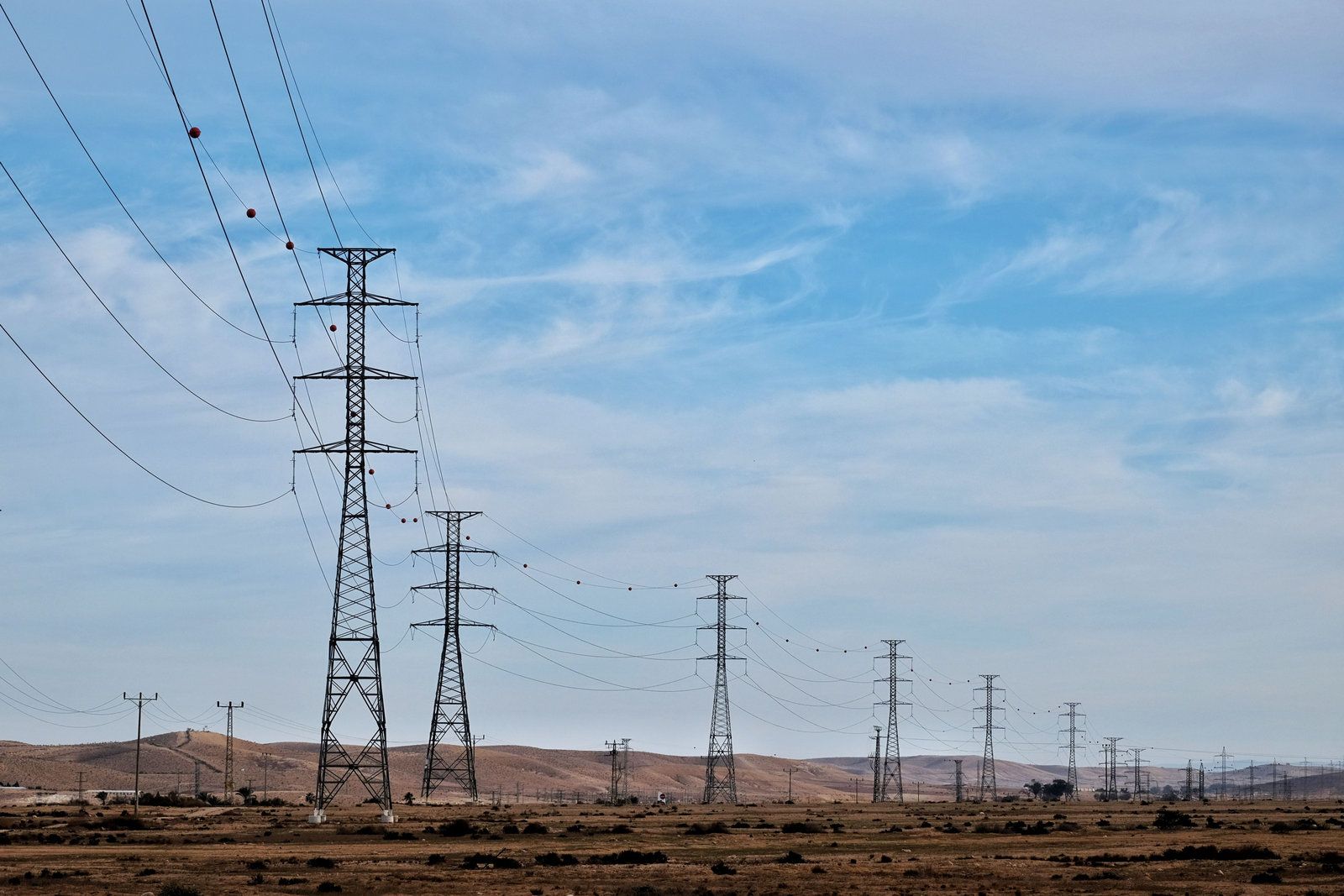
Actual values are subject to specific conditions.
Electricity follows a distinct CBAM methodology. Where actual embedded emissions are used, specific requirements apply to the generating installation, electricity supply arrangements and transmission of the electricity to the EU.
Additional declarant-specific information may also be required where actual values are reported.
CBAM Advisory applies the relevant sector methodology to the actual installation, production route and available data, not a standard template across all CBAM goods.
Your EU customer has asked for CBAM data. What do you have today?
You do not need to know exactly which CBAM service you need before contacting us.
Send us your:
We can identify the technical starting point and the principal information gaps.